It usually starts the same way… you wake up with pain in your lower back that shoots into your hip or down your leg. It’s uncomfortable, maybe a little alarming, and definitely not something you want to ignore.
So you do what most people do, you google it. And before long, you land on one word: sciatica. Just like that, the conclusion feels settled.
We hear this a lot at Bodyworks Physical Therapy. And sometimes, that diagnosis is spot on. Other times, it’s not quite that simple.
What Most People Mean by “Sciatica”
For most people, sciatica means:
- Pain in the low back or hip
- Pain that travels into the buttock or leg
- Tingling, numbness, or a burning sensation
Those symptoms can be related to the sciatic nerve, which runs from the lower back all the way down the leg. When that nerve is irritated, it can create the type of pain people describe as sciatica.
Not All Leg Pain Comes From the Sciatic Nerve
Pain that travels down the leg can come from several different sources. The symptoms may feel similar, but the cause, and the right treatment, can be very different. Some common possibilities include:
True Sciatic Nerve Irritation
This involves sensitivity or compression of the nerve itself, often related to how the spine is moving or how the nerve responds to motion.
Disc Related Issues
A bulging or herniated disc in the lower back can irritate a nerve root and create symptoms that feel exactly like sciatica.
Piriformis Related Pain
A small muscle deep in the hip can become tight or irritated and aggravate the sciatic nerve, even when the spine isn’t the primary issue.
Lower Back Strain or Joint Irritation
In some cases, the pain isn’t nerve-related at all. Muscles and joints in the low back can refer pain into the hip or leg.
Pain from the same general area.
Different underlying problems.
Why It’s Hard to Figure Out On Your Own
Reading about symptoms can be helpful, but it doesn’t tell the whole story. It can’t show:
- How your body moves
- How your strength and mobility compare side to side
- How your symptoms change with specific movements
- What’s actually contributing to your pain
That’s why people often try several things on their own without much relief - or end up avoiding movement altogether because they’re unsure what’s safe.
How We Look at Low Back Pain at Bodyworks
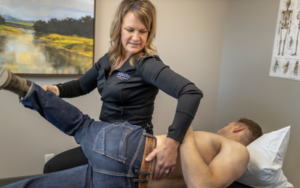
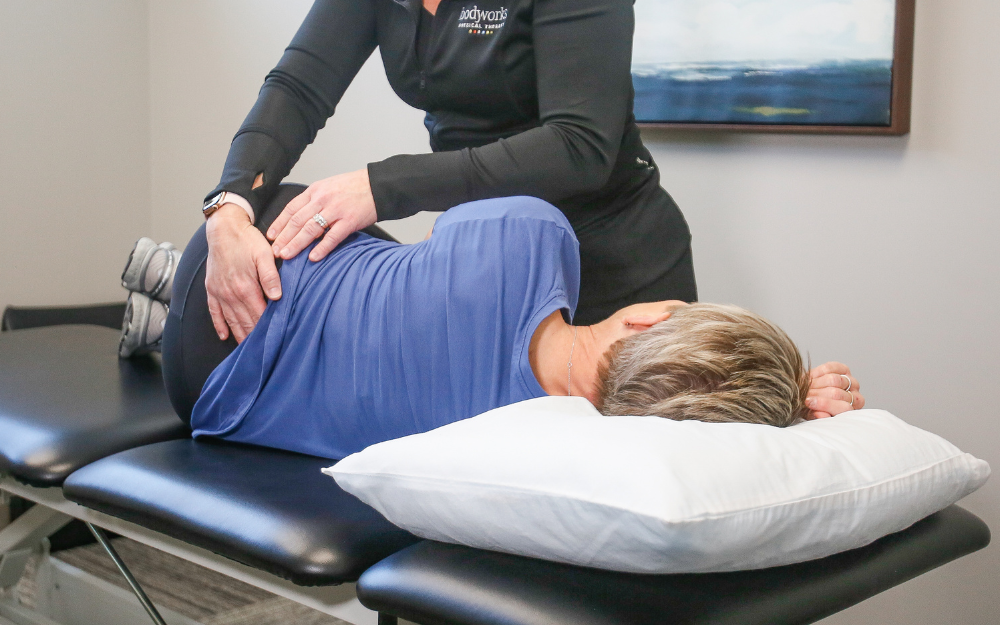
At Bodyworks Physical Therapy, we don’t start by chasing a label. We start by listening and assessing how your body is functioning. Your evaluation looks at:
- Movement in your spine, hips, and core
- How your nerves respond to motion
- What makes your symptoms better or worse
- What you need to get back to doing in your daily life
From there, treatment might include hands-on work, targeted exercises, mobility and strength training, and guidance on how to move with confidence again.
Whether your symptoms come from the sciatic nerve, a disc issue, a hip-related problem, or a simple back strain, the goal is the same: reduce pain, restore movement, and help you feel like yourself again.
So… Is It Really Sciatica?
If you’ve been telling yourself that you “have sciatica,” you might be right. But you might also be dealing with something that just looks like sciatica.
Either way, you don’t have to guess. A thorough evaluation can give you clarity, direction, and a plan that actually fits what your body needs. If pain is limiting how you move or live, request an appointment with Bodyworks to help you get back on track, without fear, confusion, or unnecessary setbacks.