
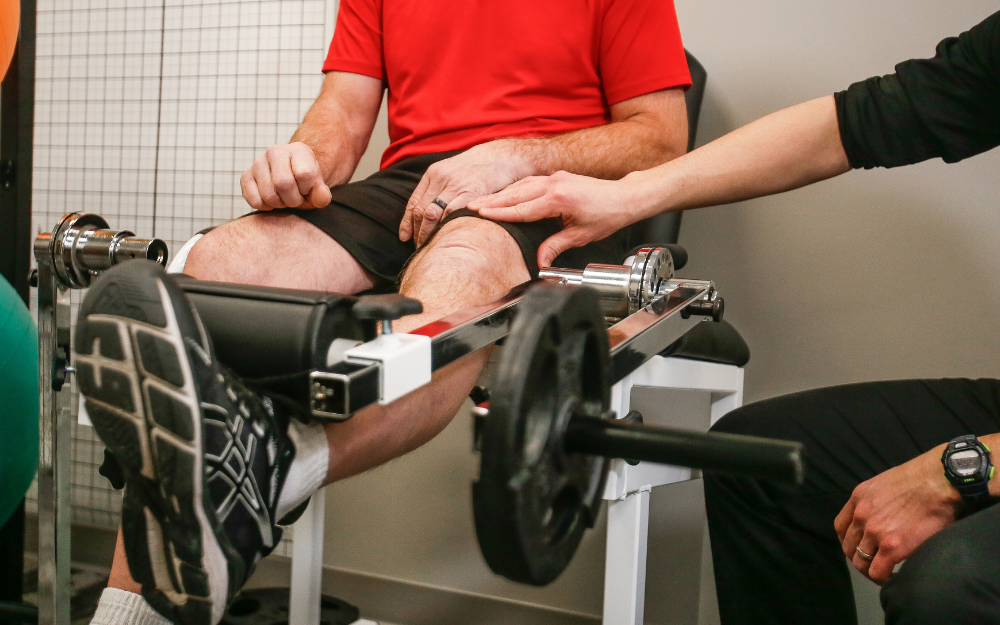
Surgery is often just the beginning of the recovery process. Once the procedure is over, your body still needs time, movement, and the right rehabilitation plan to regain strength and function.
Post-surgical rehabilitation helps bridge the gap between having surgery and getting back to your normal activities. Whether you’re recovering from a joint replacement, ligament reconstruction, rotator cuff repair or another orthopedic procedure, physical therapy can help you rebuild strength, restore mobility, and safely progress towards your goals.
At Bodyworks Physical Therapy in Fargo, our therapists provide individualized post-surgical rehabilitation programs designed around your procedure, your recovery timeline, and the activities you want to return to.
Why Is Physical Therapy Important After Surgery?
It’s normal to experience pain, stiffness, swelling, weakness, or limited movement following surgery. Your body has been through a significant physical stress, and protecting the surgical area during the early stages of healing is important.
At the same time, too much inactivity can make it harder to regain strength and mobility.
Physical therapy provides a structured way to gradually reintroduce movement and activity. Your therapist can help you understand what movements are appropriate at each stage of recovery and adjust your program as your body heals.
The goal isn’t simply to get through your post-surgical rehabilitation appointments. It’s to help you regain the function you need for everyday life, work, exercise, sports, and the activities that matter most to you.
What Does Post-Surgical Rehabilitation Include?
Every surgery and every patient is different, so your physical therapy program will depend on your procedure, your surgeon’s recommendations, your current abilities, and your goals.
Your post-surgical rehabilitation may include:
Restoring Range of Motion
Surgery and periods of limited activity can lead to stiffness and reduced mobility. Your therapist will use appropriate exercises and movement techniques to gradually restore your range of motion while respecting the healing process.
Rebuilding Strength
Muscle weakness is common after surgery, particularly when you have spent time resting or protecting an injured area.
Progressive strengthening exercises help rebuild the muscles needed to support the affected joint or body part. As your strength improves, exercises can become more challenging to prepare you for everyday activities and higher-level movement.
Improving Balance and Stability
Some procedures can temporarily affect balance, coordination, or confidence with movement. Rehabilitation may include balance and stability exercises to help you feel more secure on your feet and reduce the risk of compensating with other parts of your body.
Improving Movement Patterns
Recovering strength is important, but so is learning how to use that strength effectively.
Your physical therapist can assess how you walk, squat, reach, lift, climb stairs, or perform other movements relevant to your daily life. Retraining these patterns can help you return to activity with greater confidence and control.
Managing Pain and Swelling
Pain and swelling can make it difficult to move normally after surgery. Your therapist can use appropriate hands-on techniques, therapeutic exercise, and other treatment strategies to help manage symptoms and make movement more comfortable as you progress.
Returning to Everyday Activities
The ultimate goal of rehabilitation is function. That might mean getting up and down the stairs comfortably after a knee replacement, returning to work after a shoulder procedure, walking normally after a hip replacement, or getting back on the field following an ACL reconstruction.
Your treatment plan should reflect what you need your body to do.
Common Surgeries That May Require Physical Therapy
Bodyworks provides post-surgical rehabilitation for a variety of orthopedic procedures. Some of the commonly treated procedures include:
Total Knee Replacement
Following a knee replacement, rehabilitation focuses on restoring knee mobility, rebuilding strength, improving walking mechanics, and gradually returning to everyday activities.
Total Hip Replacement
Physical therapy after hip replacement can help restore strength, mobility, balance, and confidence with walking and other daily movements.
Rotator Cuff Repair
After a rotator cuff repair, rehabilitation progresses carefully to protect the repair while gradually restoring shoulder mobility, strength, and function.
ACL Reconstruction
ACL rehabilitation involves progressive strengthening, balance and stability training, movement retraining, and, when appropriate, a gradual return to sports and higher-level activity.
These are just a few examples. Your physical therapist can work with your surgeon’s protocol to develop an appropriate rehabilitation plan for your specific procedure.
When Should You Start Physical Therapy After Surgery?
The timing of physical therapy depends on the type of surgery and your surgeon’s recommendations.
Some patients begin rehabilitation shortly after surgery, while others may have a period of protection before certain movements or exercises are introduced. Your physical therapist will work within your surgeon’s guidelines and adjust your program as your recovery progresses.
Starting at the right time is important. So is progressing at the right pace.
Post-surgical rehabilitation should challenge your body enough to encourage recovery without pushing beyond what your healing tissues can safely tolerate.
What Happens During Your First Post-Surgical PT Appointment?
Your first appointment is about understanding where you are in your recovery and where you want to go. Your physical therapist may evaluate:
- Your current range of motion
- Strength and muscle activation
- Swelling and pain
- Balance and stability
- Walking or other movement patterns
- Functional limitations
- Your ability to perform everyday activities
Your therapist will also review your surgical history and any instructions or precautions provided by your surgeon. From there, you’ll begin an individualized plan based on your current abilities and recovery goals.
Your Rehabilitation Plan Should Change as You Improve
Recovery isn’t always a straight line. As your strength and mobility improve, exercises that once felt difficult may become easier. Your therapist can gradually increase the challenge to continue building strength and function.
That progression might include moving from basic range-of-motion exercises to strengthening, balance work, functional movements, and eventually more demanding activities.
For active patients, rehabilitation may eventually include exercises designed around work, recreation, running, sports, or other specific goals.
Why Choose Bodyworks for Post-Surgical Rehabilitation?
At Bodyworks Physical Therapy, post-surgical rehabilitation is individualized to the person, not just the procedure. Our therapists provide one-on-one care and work closely with your surgeon to follow appropriate post-operative guidelines while helping you regain function and mobility. Our approach combines evidence-based treatment with a plan built around your specific needs and goals.
We also offer services such as aquatic therapy, manual therapy, and other treatment options that may be incorporated into your rehabilitation when appropriate.
Whether your goal is getting back to work, returning to exercise, playing with your kids, or simply moving comfortably through your day, we want to help you get there safely and confidently. Request an appointment with Bodyworks today.


