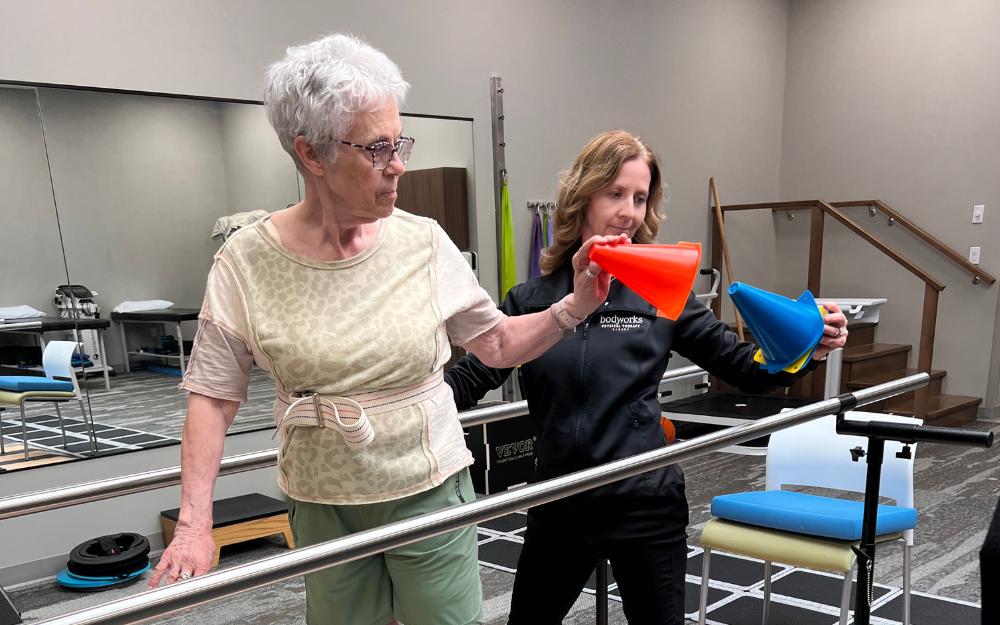
When most people think of physical therapy, they often think about recovering from an injury, surgery, or sports-related condition. What many people don’t realize is that physical therapy also plays an important role in helping individuals manage neurologic conditions and maintain independence throughout daily life.
At Bodyworks Physical Therapy, we work with patients facing a wide range of neurologic challenges. Whether symptoms are new, progressive, or have been present for years, neurologic physical therapy focuses on helping people move more confidently, improve function, and stay engaged in the activities that matter most to them.
What Is Neurologic Physical Therapy?
Neurologic physical therapy focuses on conditions that affect the brain, spinal cord, nerves, and the body’s ability to control movement. These conditions can impact balance, coordination, strength, walking, dizziness, endurance, and overall mobility.
Because the nervous system plays a role in nearly every movement we make, neurologic symptoms often affect multiple areas of daily life. The goal of neurologic physical therapy is to help each individual maximize their function, improve safety, and maintain independence.
Conditions We Commonly Treat
Neurologic physical therapy can benefit individuals with a variety of conditions, including:
- Parkinson’s disease
- Multiple sclerosis (MS)
- Concussions and post-concussion symptoms
- Vestibular disorders and dizziness
- Brain injuries
- Stroke-related impairments
- Balance disorders
- Fall risk concerns
Every person's experience is different, which is why treatment plans are individualized based on symptoms, goals, and lifestyle needs.
Balance Problems Aren't Just a Part of Aging
One of the most common concerns we hear from patients is that they feel less steady than they used to. While balance can change over time, frequent stumbling, dizziness, difficulty walking on uneven surfaces, or concerns about falling shouldn't simply be dismissed as part of getting older. Balance relies on several systems working together, including:
- The vestibular system (inner ear)
- Vision
- Strength
- Joint awareness and coordination
- The nervous system
When one or more of these systems isn't functioning well, balance can become more challenging. Physical therapy can help identify what's contributing to those difficulties and develop strategies to improve stability and confidence.
Parkinson's Disease and Movement Training
For individuals living with Parkinson's disease, movement often becomes smaller, slower, and more difficult over time. Specialized treatment approaches such as LSVT BIG® and Parkinson Wellness Recovery (PWR!) focus on improving movement amplitude, mobility, balance, and functional independence.
These programs help patients practice larger, more intentional movements that can carry over into daily activities such as walking, getting out of a chair, dressing, and navigating community environments.
Concussion and Vestibular Rehabilitation
Neurologic physical therapy also plays an important role in concussion recovery and vestibular rehabilitation. Following a concussion, patients may experience symptoms such as:
- Dizziness
- Headaches
- Balance problems
- Motion sensitivity
- Visual disturbances
- Difficulty concentrating
- Exercise intolerance
Similarly, vestibular conditions can cause vertigo, dizziness, and feelings of instability that interfere with everyday activities. Treatment may include:
- Vestibular rehabilitation exercises
- Balance training
- Visual tracking exercises
- Cervical spine treatment
- Graded return-to-activity progression
- Symptom management education
These interventions are designed to help the brain and body work together more effectively while reducing symptoms and improving function.
The Importance of Fall Prevention
Falls are one of the leading causes of injury among older adults and individuals with neurologic conditions. Many people assume falls happen suddenly without warning, but often there are early signs such as:
- Feeling unsteady while walking
- Difficulty navigating stairs
- Increased reliance on furniture for support
- Slower walking speed
- Reduced confidence with movement
Addressing these concerns early can help reduce fall risk and improve overall mobility. Physical therapy may include balance exercises, strength training, gait training, and assistive device recommendations when appropriate.
Building Confidence Through Movement
One of the most significant impacts of a neurologic condition is the effect it can have on confidence. When movement feels unpredictable, many people begin avoiding activities they once enjoyed. Over time, that reduction in activity can lead to additional weakness, decreased endurance, and further loss of confidence.
Neurologic physical therapy focuses on helping individuals safely rebuild trust in their bodies through structured, progressive movement and functional training. Small improvements often create meaningful changes in daily life.
Individualized Care for Every Stage
No two neurologic conditions present exactly the same way, and no two patients have the same goals. Some people want to improve their balance. Others want to reduce dizziness, return to exercise, improve walking, recover from a concussion, or maintain independence as a condition progresses.
At Bodyworks Physical Therapy, treatment is tailored to each individual's needs, abilities, and priorities.
Support for Neurologic Conditions in Fargo
Living with a neurologic condition can be challenging, but you don't have to navigate it alone. Physical therapy can provide the guidance, education, and support needed to improve mobility, reduce symptoms, and build confidence in daily movement.
At Bodyworks Physical Therapy, we help patients throughout Fargo, West Fargo, Moorhead, and the surrounding communities manage neurologic conditions and work toward meaningful goals. If you're experiencing dizziness, balance concerns, concussion symptoms, or changes in mobility, our team is here to help.
Request an appointment today to learn how neurologic physical therapy can support your recovery and long-term wellness.