Holiday travel is exciting, but long car rides, crowded airports, and hours of sitting can leave your body feeling stiff, sore, and fatigued. Whether you’re driving across North Dakota or flying out of Fargo’s Hector International Airport, it’s common to experience tight hips, a sore neck, low back pain, headaches, or flare-ups of old injuries.
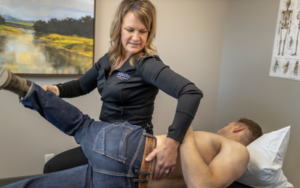
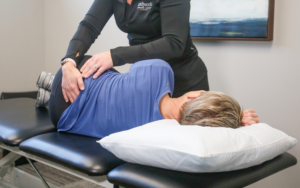
At Bodyworks Physical Therapy in Fargo, ND, we help patients stay mobile and comfortable through every season, including the busy travel months. With the right strategies, you can reduce discomfort and arrive feeling refreshed instead of worn down. Here are our PT-approved tips for healthier, more comfortable holiday travel.
1. Prep Your Body Before You Go
A quick warm-up before a long trip can make a noticeable difference. Think of it like preparing your body for an extended period of sitting. Try this simple travel warm-up:
- 10–15 shoulder rolls
- Gentle side-to-side neck stretches
- Hip circles
- Light hamstring and calf stretches
- Slow, deep breaths with long exhales.
Loosening tight areas ahead of time helps your spine, hips, and shoulders tolerate long periods of sitting more comfortably.
2. Choose Better Sitting Posture (Your Spine Will Thank You)
Car seats and airplane seats aren’t designed with ergonomics in mind, but a few adjustments can help.
For Car Travel:
- Adjust your seat so your hips and knees are level.
- Place a small rolled towel or lumbar pillow behind your lower back.
- Keep your shoulders relaxed and avoid “reaching” forward to reach the steering wheel.
For Flights:
- Sit fully back in your seat rather than slouching forward.
- Place a pillow or small cushion behind your lower back for lumbar support.
- Keep both feet flat on the floor to reduce hip and low back strain.
Good posture reduces fatigue and helps prevent stiffness after hours of sitting.
3. Take Movement Breaks - Frequently
Movement is the most effective way to prevent pain during long trips.
If You’re Driving: Stop every 60–90 minutes to stretch, walk, or gently move your spine.
If You’re Flying: Stand up and walk the aisle every 45–60 minutes when it’s safe to do so.
Quick Movement Ideas:
- March in place
- Ankle circles
- Seated hip shifts
- Gentle trunk rotation
- Calf raises
Frequent, light movement keeps joints lubricated and reduces swelling.
4. Take Care of Your Neck and Shoulders
Travel often means phone, awkward naps, and forward-leaning posture - all big contributors to tension. Try this:
- Bring a supportive travel pillow (avoid the ones that push your head forward).
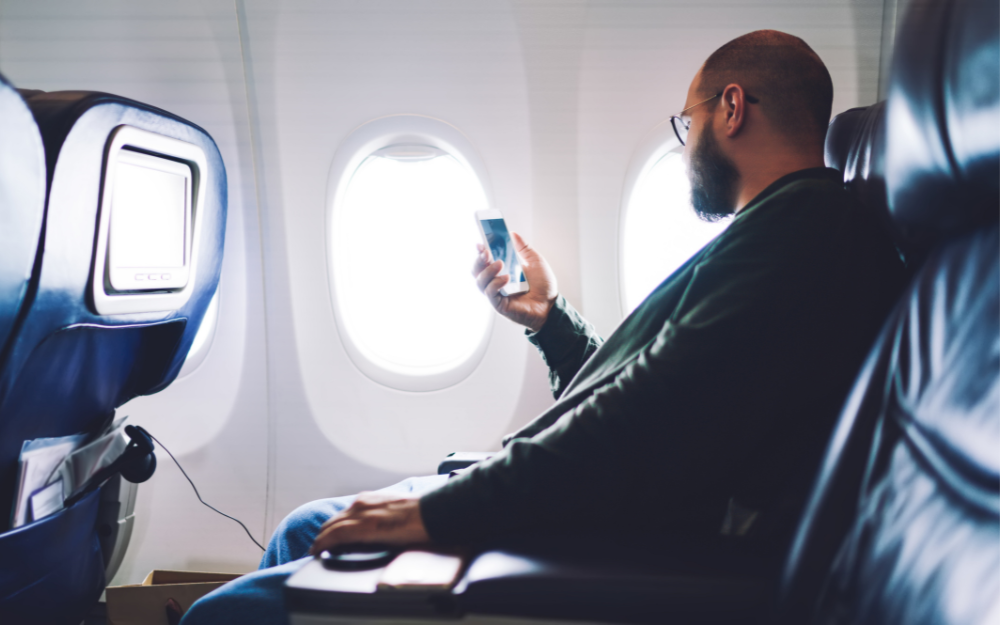
- Hold your phone at eye level to prevent neck strain.
- Relax your shoulders instead of shrugging them up toward your ears.
- Use a backpack or a cross-body strap instead of carrying weight on one shoulder.
Neck and shoulder tension is one of the most common travel issues we treat in the Fargo-Moorhead area - and most of it is preventable.
5. Prevent Low Back Pain With Smart Support
Your lumbar spine is especially sensitive when sitting for long periods of time. Support your back by:
- Using lumbar support (rolled towel, jacket, or cushion).
- Keeping both feet supported at all times.
- Avoiding sitting cross-legged for long periods.
- Keeping frequently used items within reach to avoid twisting.
These small adjustments protect your spine from low back pain and reduce next-day soreness.
6. Lift and Carry Luggage the Right Way
Luggage related strains are surprisingly common this time of year. Try this PT-approved lifting technique:
- Bend through your knees and hips - never your back.
- Keep the suitcase close to your body.
- Lift with your legs, not your spine.
- When using overhead bins, lift to chest level first, then slide overhead.
- Ask for help if your bag is heavy or awkward.
One careful lift can save days, or even weeks, of discomfort.
7. Stay Hydrated to Support Muscles and Joints
Travel often means dehydration, especially in airplanes where cabin humidity is low. Try this:
- Drink water regularly throughout your trip.
- Limit caffeinated beverages (coffee, soda) and alcohol, which increase dehydration.
- Carry a refillable water bottle when you can.
Hydration improves circulation, helps prevent swelling, reduces muscle cramping, and supports joint mobility.
8. Use Heat or Ice to Manage Symptoms
If you’re prone to stiffness or pain while traveling, a little preparation can help.
- Use heat before or after travel to relax tight muscles.
- Using ice after long periods of sitting can reduce inflammation.
- Portable heat wraps or reusable ice packs can be helpful for road trips.
If you’re unsure which is best for you, your physical therapist can help guide you.
9. Rest Your Body After You Arrive
Once you reach your destination, take a few minutes to move and undo the effects of travel. Try these gentle resets:
- Standing back bends
- A short walk
- Hip flexor stretches
- Thoracic spine rotations
- Ankle and calf stretches
Your body will recover faster when you move intentionally right after arriving.
Travel Doesn’t Have to Be Painful
With the right habits, holiday travel can be much more comfortable and far less stressful on your body.
At Bodyworks Physical Therapy in Fargo, ND, we help people stay mobile, healthy, and pain-free. Whether they’re hitting the road, boarding a plane, or getting back into their everyday routines. If pain or stiffness lingers after your trip, contact our team. We are here to help you recover quickly and keep moving with confidence.
Safe travels from all of us at Bodyworks!