

Hip Pain Treatment in Fargo
Find Relief from Hip Pain

Hip pain can make everyday activities surprisingly difficult. Walking, climbing stairs, getting in and out of the car, exercising, or even sleeping comfortably can become frustrating when your hip isn’t moving well.
At Bodyworks Physical Therapy, we help patients identify what's causing their hip pain and treat a wide range of orthopedic conditions through individualized treatment plans that improve strength, mobility, and confidence. Whether your symptoms developed gradually or began after an injury, our team focuses on treating the source of the problem, not just the pain.
We serve patients throughout Fargo, West Fargo, Moorhead, Horace, and surrounding communities. No referral is required for most major insurance plans, so getting started is simple.
Common Causes of Hip Pain
Hip pain can come from several different conditions. During your evaluation, we'll determine what's contributing to your symptoms and develop a treatment plan based on your goals.
Hip Arthritis
Hip arthritis develops when the cartilage within the joint gradually wears down, leading to stiffness, pain, and reduced mobility. Many people notice discomfort when walking, standing, or after sitting for long periods.
Physical therapy can help by
- Improving joint mobility
- Strengthening the muscles that support the hip
- Reducing stiffness
- Improving walking mechanics
- Helping you stay active while managing symptoms
Hip Bursitis
Hip bursitis occurs when one of the small fluid-filled bursae around the hip becomes irritated or inflamed. Pain is often felt along the outside of the hip and may worsen when lying on that side, climbing stairs, or walking.
Treatment may include
- Manual therapy
- Targeted strengthening
- Mobility exercises
- Activity modification
- Movement retraining
Hip Labral Tears
The labrum is a ring of cartilage that helps stabilize the hip joint. Labral tears can occur from sports injuries, repetitive movement, or structural changes within the hip.
Common symptoms include
- Deep groin pain
- Clicking or catching
- Hip stiffness
- Pain with twisting or pivoting
- Difficulty during exercise
Hip Tendonitis
Hip tendonitis develops when tendons become irritated from repetitive activity or overuse. This is common in runners, active adults, and people who have recently increased their activity level.
Treatment often includes
- Progressive strengthening
- Flexibility exercises
- Load management
- Movement correction
- Gradual return to activity
Femoroacetabular Impingement (FAI)
FAI occurs when the bones of the hip don't move together as smoothly as they should, creating pinching within the joint during certain movements.
People with FAI often notice pain during
- Squatting
- Running
- Twisting
- Sitting for long periods
- Athletic activities
Signs It’s Time to See a Physical Therapist
Hip pain isn't always something that goes away on its own. It may be time to schedule an evaluation if you're experiencing:
- Pain while walking
- Difficulty climbing stairs
- Hip stiffness
- Pain getting in or out of the car
- Groin pain
- Pain on the outside of the hip
- Clicking or catching sensations
- Difficulty exercising
- Pain that interrupts sleep
- Reduced balance or mobility
What to Expect During Physical Therapy
Your first visit includes a comprehensive evaluation of your hip, surrounding joints, strength, flexibility, movement patterns, and functional goals. Based on your findings, treatment may include:
- Manual therapy
- Personalized strengthening exercises
- Hip mobility exercises
- Balance and stability training
- Walking and movement retraining
- Return-to-sport or activity progression
- Education to help prevent future flare-ups
Every treatment plan is individualized to your condition, lifestyle, and goals.
How Effective Is Physical Therapy for Hip Pain?
Physical therapy is one of the most effective conservative treatments for many causes of hip pain. Research consistently supports exercise therapy and movement-based rehabilitation for improving pain, mobility, strength, and overall function.
Many patients are able to return to work, recreation, exercise, and daily activities without surgery or with improved outcomes before and after surgery.
FAQs About Hip Pain
Do I need a referral for physical therapy for hip pain?
No. Bodyworks Physical Therapy accepts most major insurance plans without a physician referral.
Can physical therapy help me avoid hip surgery?
Depending on your diagnosis, many people improve significantly with physical therapy alone. If surgery is necessary, physical therapy can also help optimize your recovery before and after your procedure.
How long does it take for hip pain to improve?
Every condition is different, but many patients begin noticing improvements within several weeks of consistent treatment.
Should I stop exercising if my hip hurts?
Not necessarily. In many cases, modifying activity is more beneficial than stopping completely. Your therapist will help determine which activities are appropriate while you're recovering.
What if my hip pain has been bothering me for months?
Chronic hip pain often responds well to an individualized treatment program. Even if you've had symptoms for a long time, it's not too late to improve your strength, mobility, and function.
Other Services
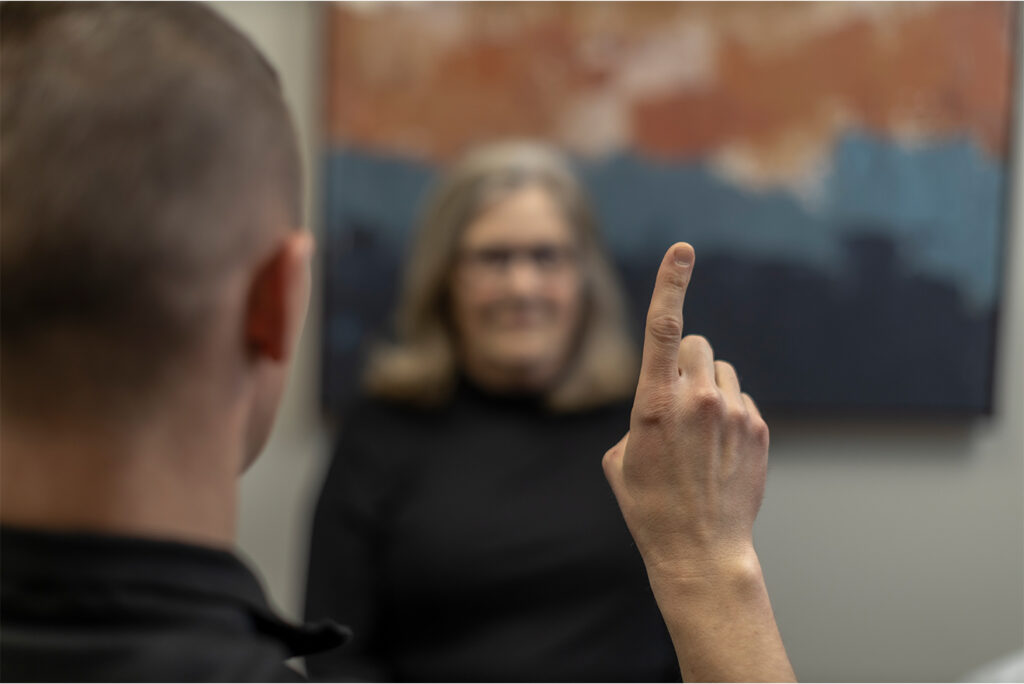
Vertigo | Dizziness & Balance
Corrective treatment for Benign Paroxysmal Positional Vertigo (BPPV).
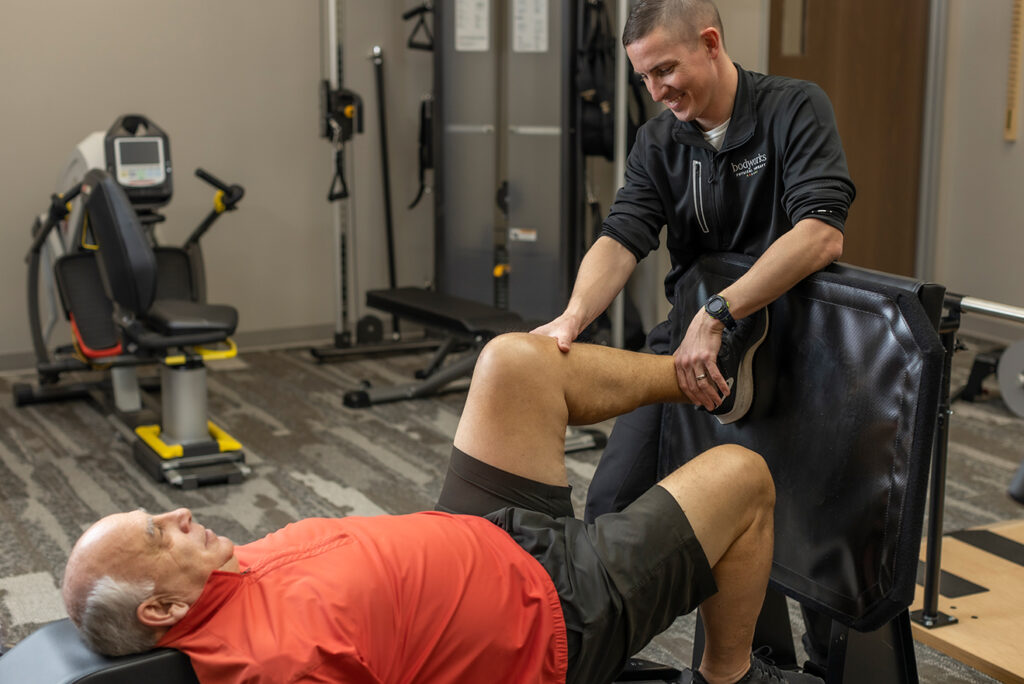
Post Surgical Rehabilitation
Following a procedure, our commitment is to return a patient to their prior physical function.
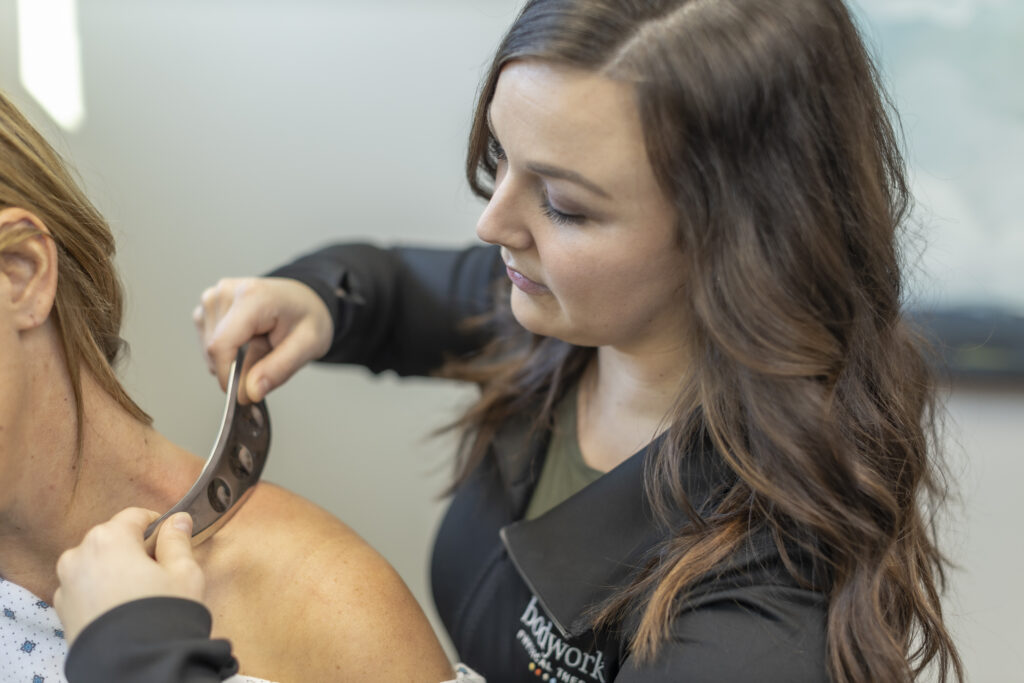
Manual Therapy
Enhance healing with Bodyworks PT's manual therapy: evidence-based hands-on techniques for pain and mobility.

Dry Needling
Dry Needling: Relax muscle knots using fine needles. Effective for pain, mobility issues. Benefits a variety of conditions.